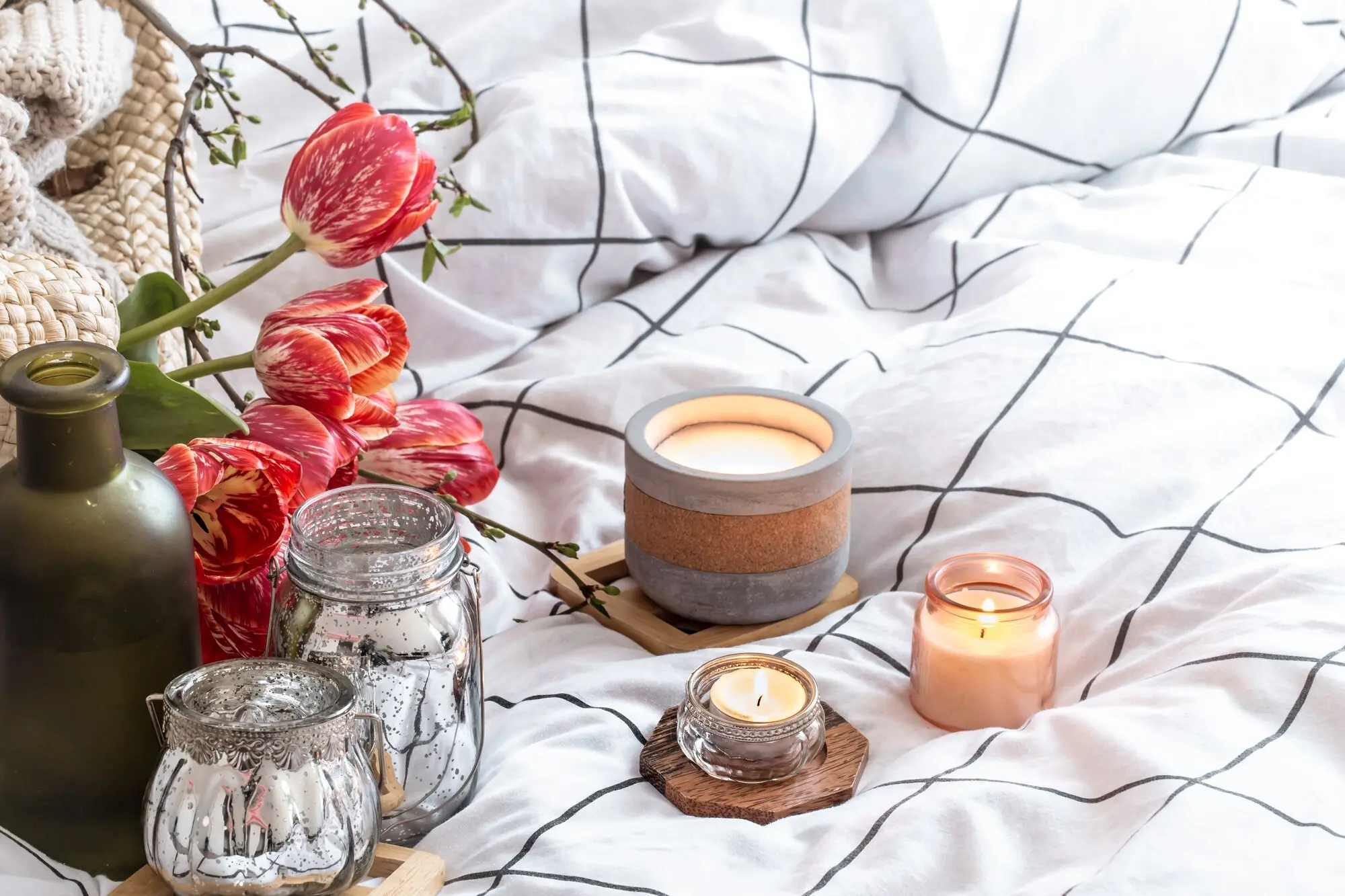
When Color Lights the Room
Seeing Scent: How Color Shapes Experience
Warm Comfort, Cool Clarity
Saturation, Value, and Perceived Strength
Cultural Nuance and Expectations
Choosing and Using Wax Dyes
Matching Dyes to Wax Types
Each wax family brings quirks. Soy may lighten during cure and show frosting that hides subtle hues; paraffin usually amplifies brilliance; beeswax’s natural tint can warm cool palettes; coconut blends can mute saturation. Start with manufacturer guidelines, then push in small increments, noting pour temperature and stir time. Keep a swatch library using identical vessels and wicks, because a color that looks rich in a test mold can turn surprisingly translucent in final jars.
Achieving Consistent Batches
Consistency starts with measurement discipline. Use precise scales or calibrated droppers, pre-dissolve blocks evenly, and add color at the same temperature window each time. Stir for a standardized duration to avoid streaks and micro-banding. Record batch codes, dye source, and lot numbers, since minor shifts between suppliers can alter tone. Create visual checkpoints under daylight-balanced bulbs and warm indoor lighting, approving only those shades that pass both views and match your reference card precisely.
Designing Mood-Setting Palettes

Techniques for Expressive Color Effects
Guarding Against UV Fade
Heat, Cooling, and Surface Finish
Burn Performance and Wick Choice
Branding, Storytelling, and Customer Delight