Crafting Atmosphere with Layered Candle Scents

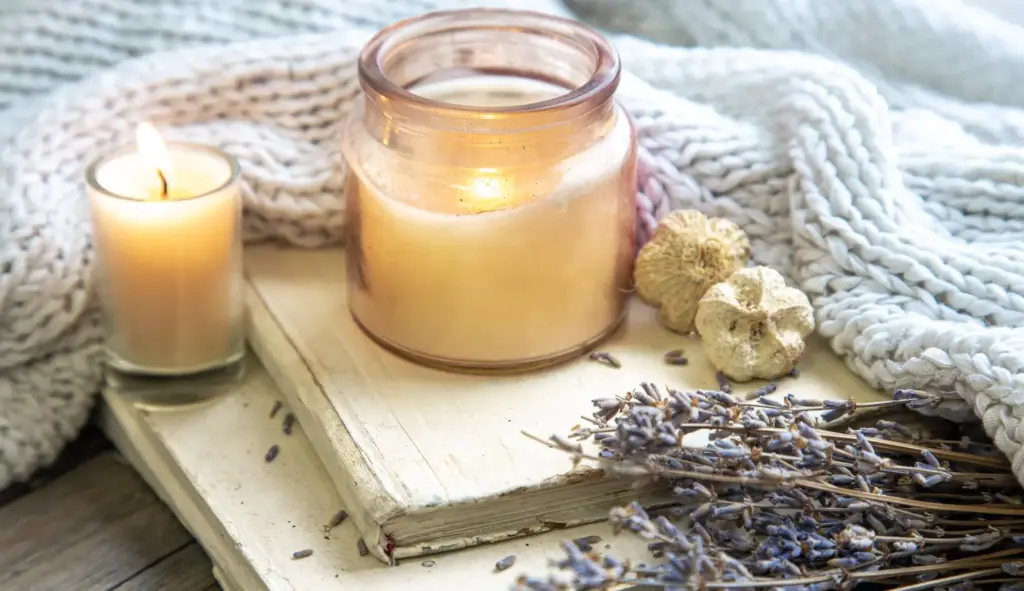
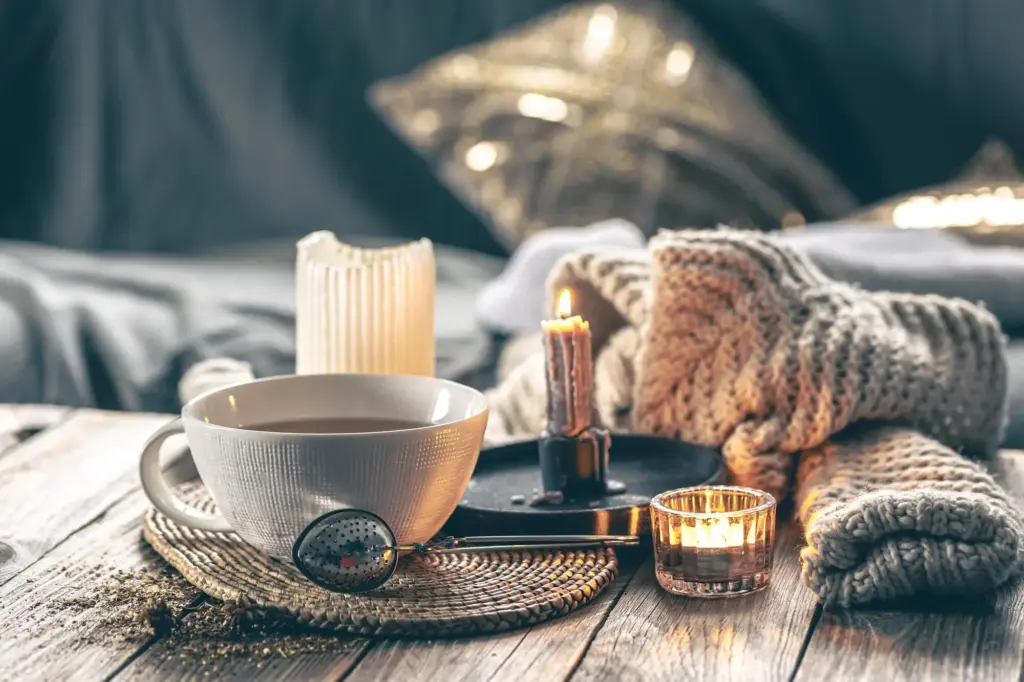
Today we explore scent layering strategies, combining handmade candles to shape ambience that feels intentional, dimensional, and deeply personal. You will learn how to balance notes, time your burns, and position candles so aromas mingle gracefully instead of competing. Expect practical guidance, creative pairings, and stories from real rooms, plus friendly prompts inviting you to experiment, share combinations, and build your own aromatic signature.

Scent Architecture: Notes, Throw, and Harmony

Understanding Notes in Wax

Think of layered candles as a small orchestra where citrus or green top notes provide the opening, florals or spices carry the melody, and woods, musks, or resins supply depth. Cure times influence clarity, while fragrance load determines presence. Aim for balance so each candle contributes distinctly without drowning its companions or sounding thin.

Hot Throw vs Cold Throw in Layers

Cold throw greets guests at the door; hot throw performs once flames awaken the blend. Some candles whisper until warmed, others project early. When layering, choose one strong broadcaster and two supportive players, then adjust distance to avoid airspace congestion. Test with doors open and closed, because circulation dramatically reshapes perceived intensity and balance.

Creating Accord without Muddying Scents

Muddiness happens when overlapping notes collapse into indistinct sweetness or heavy fog. To avoid that, separate roles: one brightener, one character driver, one anchor. Keep similar accords in the same family but vary texture—zesty bergamot with herbal basil, followed by grounded cedar. The result feels intentional, spacious, and emotionally legible to everyone present.

Materials That Matter: Wax, Wicks, and Vessels

Materials shape the pace, projection, and nuance of layered aromas. Soy offers gentle clarity, beeswax adds golden body, coconut-apricot can amplify throw. Wick type and size control melt pool width and flame height, while vessel shape pilots airflow. Combine materials thoughtfully so each candle’s behavior complements the others rather than sparking unwanted competition.

Compositions for Every Room

Living Room Evenings

Try an opening of bergamot and petitgrain near the entry, a heart of lavender and clary sage by the coffee table, and a base of ambered cedar along the bookshelf. As guests settle, the arrangement reads as welcoming, focused, and cozy without tipping into heaviness. Adjust intensities with candle heights to blend elegantly.

Kitchen Freshness without Clash

After cooking, pair a lemon or grapefruit candle with a leaf-green basil or mint, then anchor gently with airy white tea. Keep the bright element dominant and push the anchor to a side counter. This keeps freshness lively, cuts residual oiliness, and avoids jarring confrontations with lingering aromas still releasing gentle warmth from surfaces.

Bedroom Calm and Restorative

Build tranquility using chamomile or neroli for the opening, a light floral or linen accord for the center, and soft sandalwood to ground. Dimmer flames, greater distance from the bed, and consistent trimming support quieter projection. Extinguish the brightest piece first, letting the base linger like a soothing exhale as your mind gradually unwinds.

Staggered Starts for Evolving Atmosphere
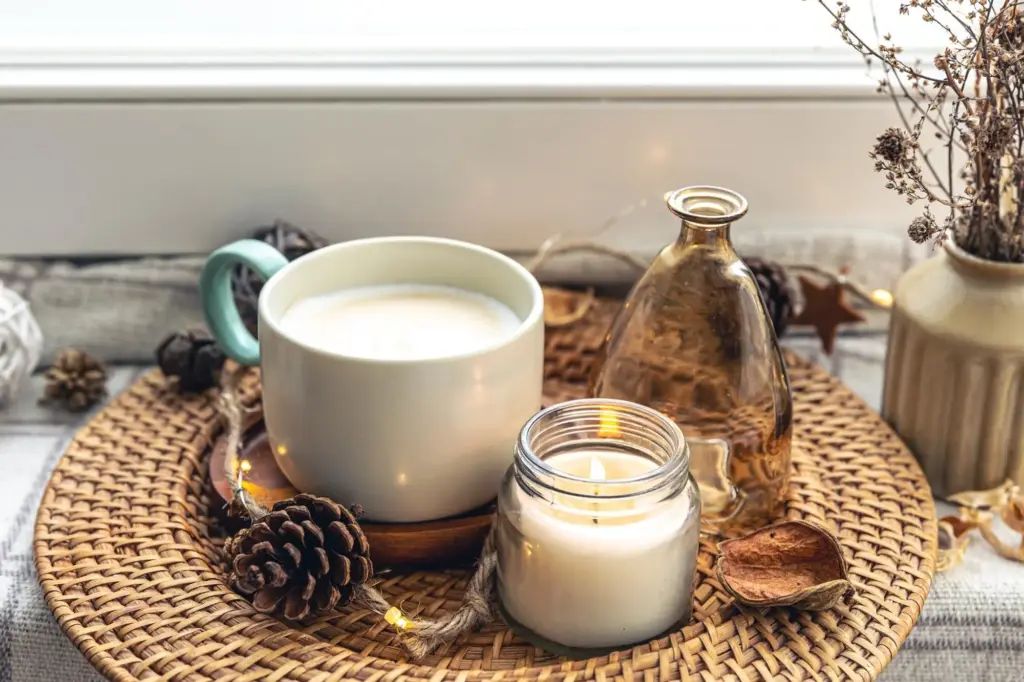
Light your sparkling citrus ten minutes before guests arrive, add the herbal heart as coats come off, then bring in wood or resin once everyone relaxes. This pacing mirrors a musical setlist, guiding attention without forcing it. If intensity spikes, pause additions, or lower flames by trimming to reintroduce nuance and conversational ease.

Zoning with Distance and Height

Use shelves, mantels, and side tables to build verticality. Bright accents sit slightly higher, heart notes at eye level, grounding notes lower to envelop without crowding. Measure roughly an arm’s length between stronger pieces. Corners can collect heaviness, so rotate positions during longer evenings, keeping the blend mobile, dimensional, and refreshingly breathable throughout.

Creative Pairings and Real Stories

Memorable experiences often come from fearless but thoughtful pairings. Consider balancing sparkling citrus with green herbs and a woody base, or marry rain accords with tea and clean cotton for comfort. At a recent dinner, careful spacing turned potential overload into radiant harmony. Share your favorite trios, swap positions, and surprise yourself with graceful transformations.

Dinner Party Citrus, Herb, Wood

Open with grapefruit near the entry to lift spirits immediately. Place rosemary or thyme by the serving area for savory brightness, then ground the room with cedar or vetiver along a shelf. We learned that moving cedar two steps back preserved sparkle while adding poise, keeping laughter bright and the evening’s rhythm delightfully unforced.

Rainy Sunday Tea and Linen

A gentle petrichor candle sets the scene, followed by green tea for quiet clarity, then soft linen in a distant nook. The trio reads like fresh laundry near an open window. Curl up with a book, notice subtle shifts as pages turn, and let the rain’s hush blend seamlessly with that calming aromatic architecture.
Simple Tests Before Big Nights

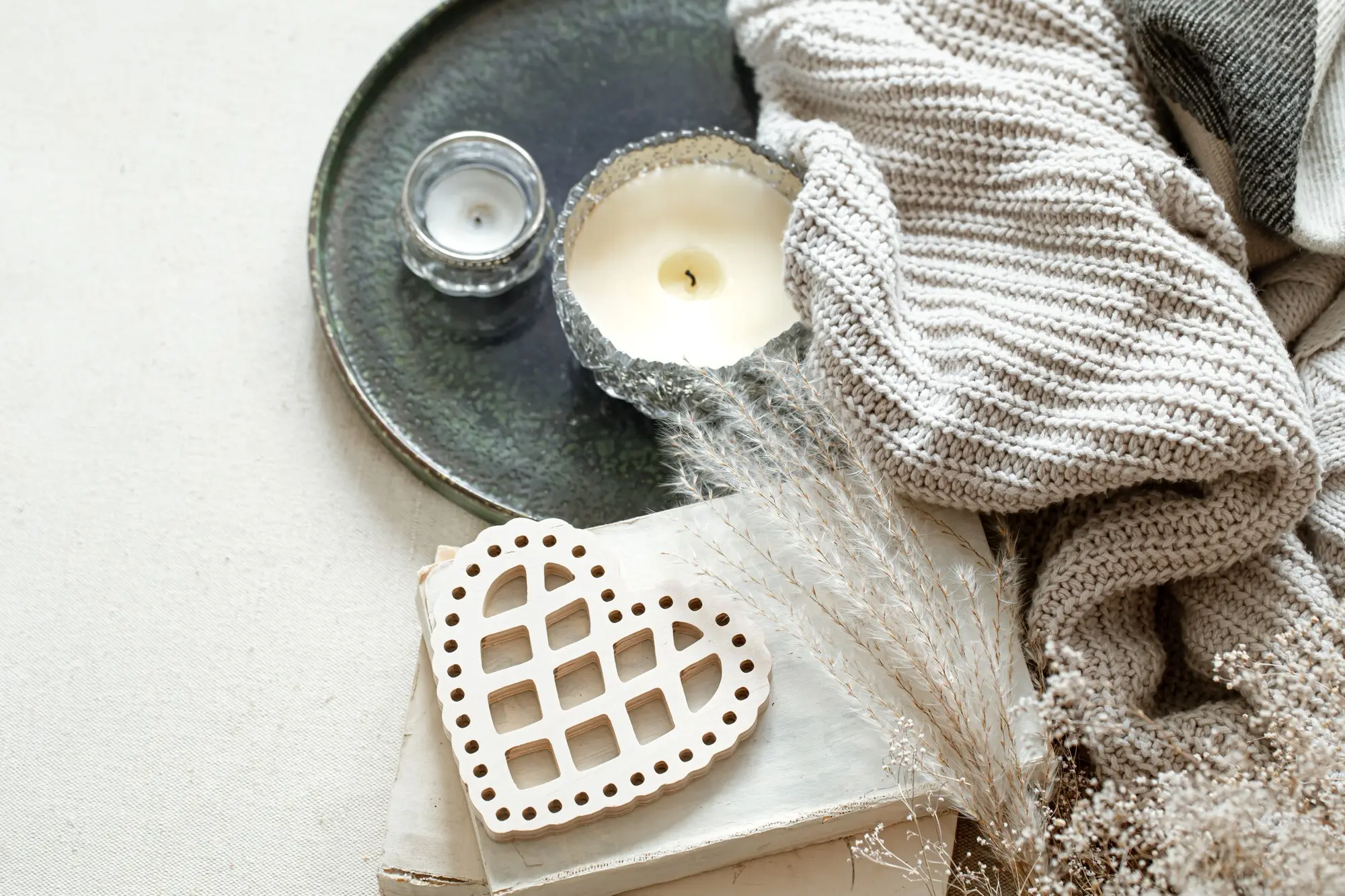
Run fifteen-minute pilots with two or three candles, moving one piece at a time. Record which arrangement unlocks clarity and which creates heaviness. Try the same trio with a window cracked, then closed. These tiny rehearsals prevent surprises, sharpen your instincts, and make celebrations feel considered, relaxed, and wonderfully immersive for everyone.

Maintenance That Preserves Nuance

Trim wicks to recommended lengths before each relight, monitor melt pools to prevent tunneling, and protect cooled surfaces with lids to retain delicate volatiles. Extinguish in reverse order—strongest first—so the lingering base softens the landing. These rituals respect craftsmanship, extend candle life, and keep layered blends articulate, balanced, and comfortingly consistent evening after evening.
Lororavovarotunoviro
Privacy Overview

This website uses cookies so that we can provide you with the best user experience possible. Cookie information is stored in your browser and performs functions such as recognising you when you return to our website and helping our team to understand which sections of the website you find most interesting and useful.