
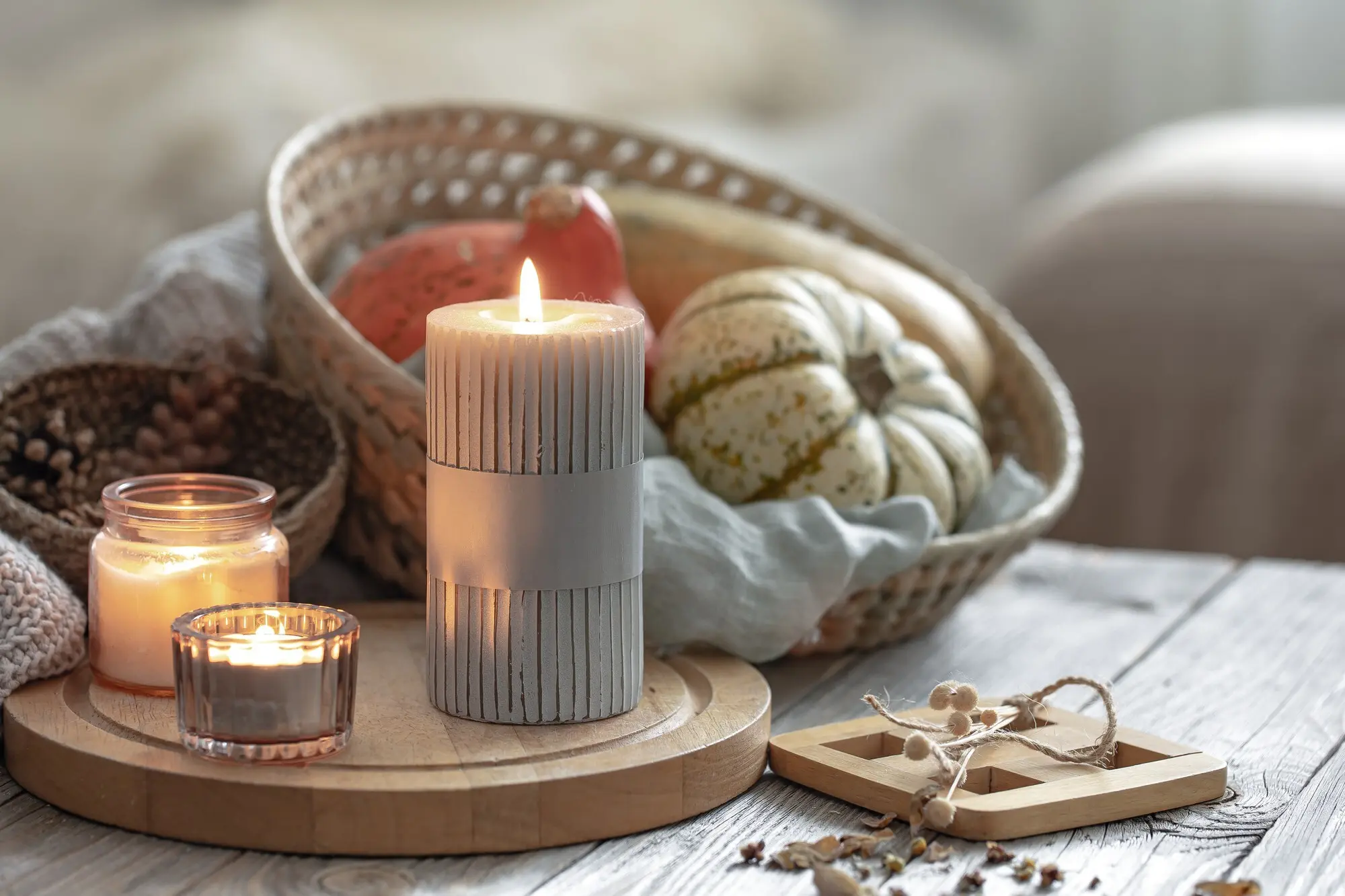
Light the Feeling: Hand-Poured Candles with Essential Oil Alchemy

Today we explore a hands-on guide to crafting candles for specific moods using essential oils, blending scent science with homestead creativity. You’ll learn how aroma influences emotion, choose materials confidently, and hand-pour safe, beautiful lights that support calm, focus, rest, celebration, or renewed energy.

Scent, Memory, and Mood: The Quiet Science Behind Warm Light

Your nose is a direct line to memory and emotion, which is why a single flame can soften shoulders or sharpen attention. We explore how olfactory receptors, the limbic system, and evaporation curves shape perceived comfort, clarity, and energy, helping you match essential oil blends to moments you truly want to feel.

How the nose speaks to the nervous system

Airborne terpene molecules travel through the olfactory epithelium to limbic structures regulating stress and motivation, while the trigeminal nerve interprets cooling or warming sensations. This is why peppermint can feel brisk, and lavender feels easing. Notice breath rate changes, posture shifts, and memory flashes as valuable, personal data informing your next blend test.

Top, middle, and base notes in conversation

Light molecules sprint first, heavier anchors arrive later, and the middle keeps everyone talking. Understanding volatility lets you plan a candle that greets with brightness, sustains interest, and settles into comfort. Citrus announces, florals mingle, woods ground. This timed choreography is crucial when a flame continually warms, lifts, and transforms your oil blend.
Mapping feelings to families of oils

Instead of chasing single favorites, group by function: woods for steadiness, herbals for clarity, resins for depth, florals for softening, and citruses for sparkle. Build palettes that match activities, then iterate. Annotate how a rainy afternoon or crowded commute alters perception, ensuring your candle supports reality, not an imagined, inflexible ideal.


Materials That Matter: Waxes, Wicks, Vessels, and Safety

Materials decide performance as much as artistry. Soy and coconut blends offer creamy appearance and gentle cold throw; beeswax brings golden body and ionizing folklore; paraffin delivers reliable hot throw but requires diligence. We’ll pair wax types with mood goals, match safe containers, and decode flash points, ventilation, and wick selection for trustworthy results.

Blending for Emotions: Recipes and Ratios You Can Trust

Essential oils demand respect. Start with conservative loads aligned to wax tolerance, then build complexity with anchors and bridge notes. We’ll share mood-forward blends, dilution math, and safety notes about phototoxic citrus, neurotoxic risks for infants, and pet sensitivities, so every candle feels generous, intentional, and responsibly crafted for real homes.

Calm and grounding: lavender, cedarwood, vetiver

Begin with lavender’s linalool for soothing edges, anchor with cedarwood’s quiet pencil-shavings comfort, then thread vetiver’s earthy rootlike persistence. Try a 4:3:1 ratio at seven percent total load in soy–coconut. Cure well, then evaluate after two full burns, adjusting vetiver sparingly to avoid overtaking cozy evening conversations or reflective journaling time.

Bright focus: rosemary, peppermint, lemon

Build alertness with rosemary’s cineole clarity, lift with peppermint’s brisk menthol pathway, and finish with lemon’s sparkling aldehydes. Start 3:2:2 at six percent total, testing larger wicks for cooler burns that protect citrus. Use during planning sessions or tidying marathons, and log perceptions from teammates to reveal surprising consensus or dissent.

Evening wind-down: chamomile, clary sage, vanilla oleoresin

When the house finally quiets, pair chamomile’s apple-honey gentleness with clary sage’s soft euphoria, then round edges using vanilla oleoresin, not synthetic fragrance. Try 3:2:1 at seven percent. Label potential contraindications for pregnancy, and skip in spaces where pets sleep closely. Care is affection made visible through scent, warmth, and patience.

Pouring with Precision: From Melt to Cure

Process discipline safeguards artistry. Track every batch: wax mass, temperatures, additives, and room conditions. Heat gently, add oils within a protected range, stir purposefully, pour with consistency, then cure patiently. This rhythm reduces sinkholes, frosting, and weak throw, delivering candles that perform beautifully today and even better after a thoughtful rest.

Designing the Feeling: Color, Texture, and Everyday Ritual

Mood lives in details. Tint subtly to avoid staining jars or shifting aroma perception; keep botanicals minimal to protect wicks; choose textures and labels echoing the experience you promise. Thoughtful matches, trays, and breathwork cards encourage intention. When form honors function, the candle becomes a companion rather than mere decoration.

Color choices that reinforce intention without overpowering scent

Soft desaturated blues invite gentleness, while sprightly yellows nudge momentum. Use dye sparingly to prevent clogging and discoloration, and always test under warm light at night. If the hue competes with aroma, scale back until color whispers, allowing essential oils to speak in layered, confident sentences your mood understands.

Finishing touches: lids, labels, and stories people remember

A wooden lid dampens dust and adds a quiet knock as you begin. Labels sharing origin stories, botanical notes, and burn tips become keepsakes. Invite readers to name blends, then print limited runs. That small collaboration transforms objects into experiences, linking scent to memory and memory to friendship across seasons.

Light it well: mindful rituals for morning, work, and rest

Before striking the match, breathe slowly and affirm your intention. Trim the wick, clear clutter, and sip water. For work sessions, set a timer tied to a single candle cycle; for rest, close laptops, dim lamps, and journal briefly. Repetition teaches the body to recognize supportive signals without negotiation.

Fixing tunneling, weak throw, mushrooming, and rough tops

Center wicks carefully, burn to full melt pool on first light, and consider one size up if walls persist. Boost anchors like patchouli for better projection, and trim between sessions to tame mushrooming. To smooth tops, reheat gently or apply a heat gun sweep, then document what combination ended recurring frustration.

Greener decisions: refill systems, safer sourcing, honest claims

Offer jar returns with discounted refills, track supplier certifications, and verify Latin binomials to avoid adulteration. Be transparent about essential oil limits and don’t promise medical outcomes. Responsible language, compostable packaging, and shipping consolidation protect budgets and biospheres, proving warmth and conscience can share the same lovely, steady glow.

Invite feedback and build community around your craft

Share test forms, schedule live pour-alongs, and ask subscribers for mood requests. Publish failures with photos and notes so newcomers skip bruises you already earned. Encourage scent swaps by mail and local jar drives. Community transforms solitary tinkering into generous practice, multiplying comfort across kitchens, workplaces, classrooms, and care centers.

Troubleshooting and Sustainability: Better Results, Kinder Choices

Great candles respect both the maker and the planet. We’ll diagnose tunneling, sooting, and weak throw with structured tests, then pivot toward refills, recycled vessels, and transparent sourcing. Clear allergen communication and cautious use around children and animals earn trust, allowing comforting rituals to uplift households without hidden costs.
Lororavovarotunoviro
Privacy Overview

This website uses cookies so that we can provide you with the best user experience possible. Cookie information is stored in your browser and performs functions such as recognising you when you return to our website and helping our team to understand which sections of the website you find most interesting and useful.