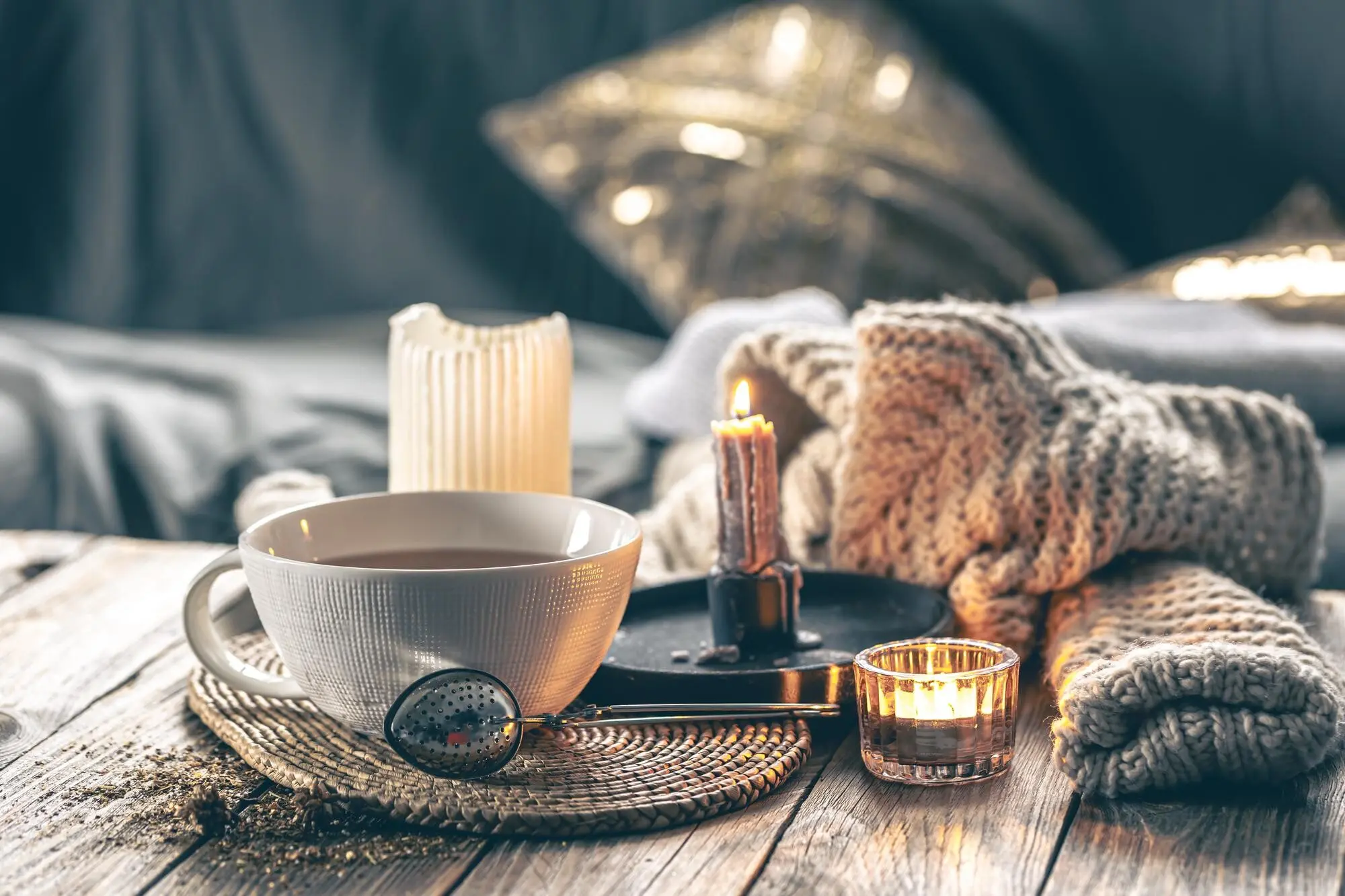
Feelings in the Flame: Exploring How Candle Scents Shape Mood

Today we explore the psychology of scent and how artisan candle fragrances influence emotion, examining the swift connection between nose, memory, and mood. We will weave neuroscience with craft, sharing stories, practical rituals, and careful methods for choosing blends that energize mornings, soothe stress, deepen focus, and tenderly soften evenings. Expect guidance that respects sensitivity, celebrates artistry, and invites your reflections, because your personal responses and associations are the true compass for building a comforting, inspiring, and emotionally intelligent atmosphere at home.

Inside the Olfactory Mind

Scent travels a remarkably direct route to emotional centers in the brain, bypassing many filters that other senses navigate. That is why a candle can lift, steady, or change your state within breaths. Understanding amygdala reactivity, hippocampal memory binding, and conditioned associations helps explain why artisan complexity can feel more human. As you learn these pathways, you gain language and intention for selecting notes that harmonize with your needs, rather than simply masking air or chasing novelty without purpose.
Odor molecules rise with the candle’s warm air, meet receptors, and spark neural signals that reach the olfactory bulb, amygdala, and hippocampus with astonishing speed. This proximity to memory and emotion explains sudden nostalgia, calm, or alertness. Small shifts in intensity, diffusion, and timing shape the result. Treat each lighting as a micro-experiment, noticing breath depth, posture, and mindset, because your internal context becomes the frame that the fragrance paints with gentle, immediate strokes.
Artisan blends often layer top, heart, and base notes to echo real-life emotional texture. A fleeting citrus hello, a comforting floral conversation, and a grounding resin farewell mirror the arcs of a day. Such progression supports smoother transitions between tasks or moods, reducing jarring shifts. Complexity also allows different facets to resonate with different people, inviting personal meaning. When a candle evolves as it burns, it invites you to evolve with it, cultivating presence instead of passive consumption.

Building a Resonant Blend

Selecting a candle that truly supports your emotional aim begins with understanding fragrance architecture. Top notes invite attention, heart notes carry the message, and base notes hold the memory. Balancing volatility with depth prevents quick fatigue and promotes gentle, sustained influence. Consider how oils interact with wax type, wick size, and vessel shape, all of which alter diffusion and perceived character. By choosing purposeful structures rather than chasing single-note intensity, you invite steadier, kinder shifts in mood throughout the burn.

Emotion in Practice: Daily Rituals

Great scent is most powerful when paired with intentional micro-rituals that cue your nervous system. Short, repeatable practices consolidate associations, turning fragrance into a reliable emotional pathway. Whether you seek momentum, relief, or closure, link each lighting to a small action—opening a window, writing one sentence, stretching shoulders—so the brain binds aroma to outcome. Over days, these cues accelerate mood shifts, reduce decision fatigue, and replace scattered reactions with compassionate structure that honors your rhythms and responsibilities.

Designing Spaces With Scent

Rooms behave like instruments, and fragrance is the tuning key. Ceiling height, airflow, textiles, and surfaces shape diffusion patterns that change how emotion lands. Consider zones rather than rooms: a study nook, a reading chair, a mindful kitchen corner. Assign each zone a scent profile that matches activity and energy. Use smaller vessels for precision; reserve powerful throw for open areas. By composing your space with intention, you transform scatter into coherence and give every corner a clear, supportive purpose.

Stories, Seasons, and Culture

Fragrance carries narrative power, translating weather, cuisine, heritage, and memory into quiet room theater. Seasonal shifts influence what feels right on the skin of a home, while cultural associations shape comfort and celebration. Honor your background, curiosity, and climate by selecting candles that tell respectful, specific stories. Seek makers who credit inspirations and ingredients transparently. Share your own memories in the comments, comparing how identical notes bloom differently across lives. Through exchange, we learn empathy, broaden taste, and refine emotional palettes.

Winter Comfort Without Cliches

Beyond sugar-heavy holiday blends, consider balsam with black tea, smoke-kissed vanilla, or cardamom layered over dried orange peel. These combinations suggest warmth without fatigue, inviting long conversations and reflective reading. Balance sweetness with tannic or woody edges to maintain sophistication. Rotate in a brisk pine-citrus afternoon candle to avoid monotony. By treating winter as a spectrum—frost, hearth, cedar closet, spiced bakery—you keep curiosity alive and prevent your senses from dulling under one repeating, too-familiar seasonal chorus.

Spring Renewal Beyond Florals

Spring can be dew on slate, lettuce-crisp greens, and mineral rain as much as blossoms. Pair tender florals with sap, stem, and soil to honor growth’s earthy labor. A violet-leaf and basil heart over a light musk base suggests fresh starts without perfume fatigue. Ventilate generously to match outdoor breezes. Use these blends for planning sessions, seedlings on the sill, or wardrobe edits, letting the room feel like a gentle reset rather than a perfumed parade that overwhelms subtle emotional shifts.
Safety, Quality, and Care

Emotional benefits rely on safe, consistent burns. Quality waxes, well-sized wicks, and tested fragrance loads protect air quality and deliver the intended arc from top to base. Trim wicks to reduce soot, mind ventilation, and monitor burn lengths to prevent tunneling or overheating. Transparent makers share materials, IFRA compliance, and testing notes. As you track your reactions, remember sensitivity varies; choose what your body welcomes. Caring for materials—and for yourself—allows the candle’s message to arrive clean, comforting, and clear.
Coconut, soy, and careful blends often provide cleaner combustion and excellent scent throw when paired with the right wick. Wood wicks crackle warmly; cotton can feel whisper-quiet. The correct wick size curbs soot and mushrooming, protecting both lungs and linens. Fragrance load must be tested for clarity rather than intensity alone. Ask makers about sourcing and standards, and share your burn diaries to help refine purchases. Responsible materials amplify emotional effects because trust is the first ingredient of any calming ritual.
Use time strategically: ten minutes for a reset, twenty-five for a focus block, sixty for a dinner gathering. Short sessions prevent nose fatigue and maintain novelty. Extinguish deliberately to signal completion, then note your felt shift. This practice treats the candle like a compassionate metronome rather than background noise. When you align burn lengths with goals, you transform fragrance from passive ambiance into active, supportive cadence, helping your nervous system track beginnings, middles, and endings with humane, repeatable clarity.
Lororavovarotunoviro
Privacy Overview

This website uses cookies so that we can provide you with the best user experience possible. Cookie information is stored in your browser and performs functions such as recognising you when you return to our website and helping our team to understand which sections of the website you find most interesting and useful.